
Farmers, advisors, citizens, municipalities, NGOs, policymakers, and agri-food experts, thought leaders and innovators gathered at the Cities Leading Food Production pavilion in VIV Hall 10 to explore practical ways to build resilient, regional, and regenerative food systems. The sessions showed that real progress comes from connecting grassroots action, scientific insights, and enabling networks — with farmers and youth at the centre.
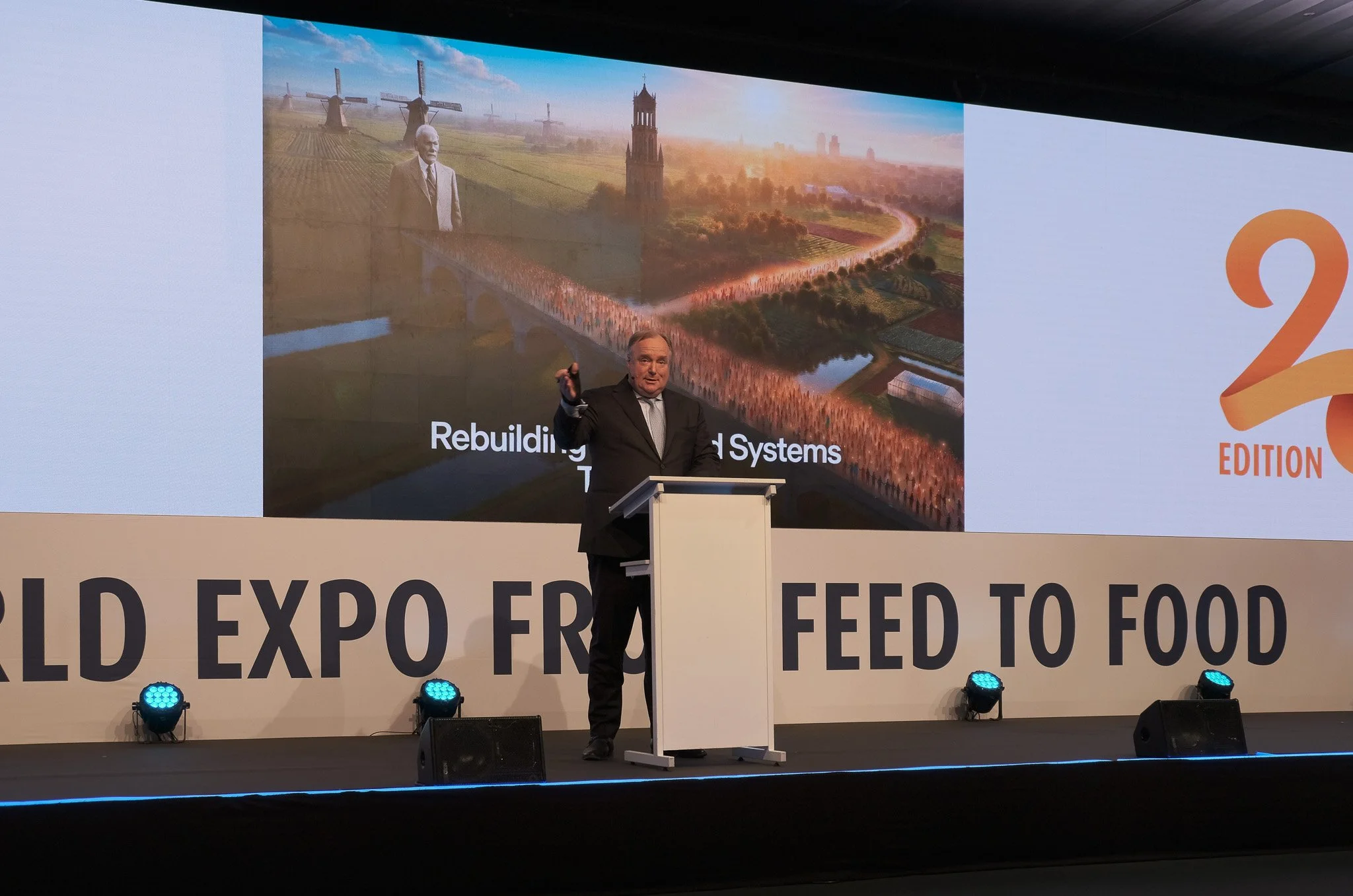
The first day of the Cities Leading Food Production programme at VIV Europe 2026 in Utrecht set a strong, inspiring tone with HRH Prince Carlos de Bourbon de Parme’s speech for the opening of the Cities Leading Food Production-programme, calling for 1 million ‘Mansholt’-minded people to stand up, and reimagine and rebuild our food systems together.
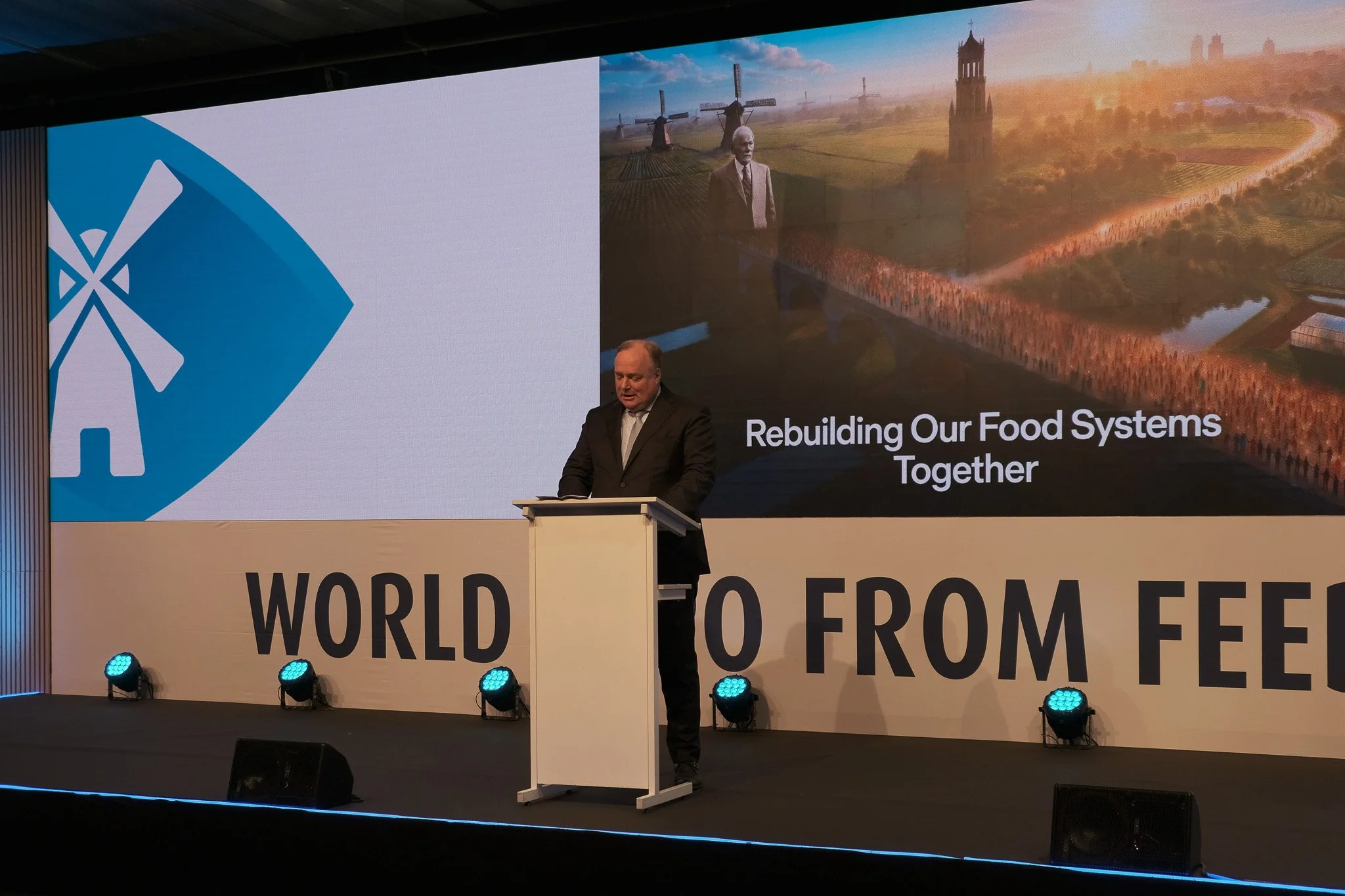
“We live in a world in crisis. That much needs no explanation. Yet it is precisely in such moments that the power to fundamentally renew systems can emerge. After the Second World War and the Hunger Winter, in which thousands of people in the Netherlands died of starvation, one clear promise was made: never again hunger. That promise was turned into action in just four years by Sicco Mansholt. Through industrialisation, land consolidation, education and economic reform, he built a level of food security Europe had never known before — in record time.”
“That transformation came at a high price. Soils have been depleted, biodiversity has declined dramatically, and our connection to nature has largely been lost. What was once a solution has become part of the problem. Mansholt himself recognised this as early as the 1970s: the system he had helped create was beginning to turn the farmer into a victim of its own success. A reset is long overdue.”
From one Mansholt to a million
“The good news is that we have done it before. And we can do it again. This time not with one man, but with thousands — perhaps millions — of “little Mansholts”: farmers, city dwellers, entrepreneurs, scientists, policymakers and citizens who understand that we face a systemic problem that requires a systemic solution. There is no silver bullet. Only collective intelligence, honest dialogue and courageous collaboration.”
“Today we have resources Mansholt never had: collective intelligence, collaborative models, living labs, the ability to create across borders, and a digitally literate generation with a shared language. The partnership between VIV and Cities Leading Food Production builds precisely on these strengths. It creates bridges between established businesses and emerging movements, between global expertise and local action, between the old system and the regenerative realities we must — and can — shape.”
The Netherlands as a guiding country, Utrecht as the starting point
“This region — Utrecht, the Randstad and the broader Dutch landscape — already functions as one vast, high-quality food ecosystem. We have the knowledge, the technology, the infrastructure and a collaborative culture that can show the world what is possible. Around us, movements for short supply chains, nutrient-dense food and landscape restoration are growing rapidly. Denmark is converting nearly 400,000 hectares to agroecological and regenerative practices. China is accelerating ecosystem restoration at scale. Across the world, short chains, measurable food quality and restoration initiatives are gaining momentum.”
“The task is clear: reorganise the globalised food system towards greater regional resilience. Address nitrogen, synthetic fertilisers, climate change, social divides and economic viability all at once. Shift the focus from confrontation to connection, from short-term extraction to long-term value creation, from polarisation to facts, dignity and shared purpose.”
“Food is the ultimate connector. Without food there is no peace. Without farmers there is no food. Without healthy soil there are no healthy people. This is not only about production; it is about building a new economy of value and worthiness — one in which regional systems regain strength, farmers are once again respected stewards, cities and countryside work in partnership, and consumers can again trust what they eat.”
The invitation
“Cities Leading Food Production, in collaboration with VIV, brings together the necessary networks: short food value chains (such as Boerschappen), bionutrient initiatives, ecosystem restoration, youth and regenerative agriculture movements, and established agribusiness with new value models such as carbon, nature and restoration credits. Together they form a learning ecosystem that connects traditional strengths with emerging innovation.”
“Utrecht has done it before. Utrecht can do it again. Perhaps Utrecht must do it again. Our guiding position is not guaranteed, but we have unique advantages: our innovation power, our water management expertise, and our ability to combine high-tech with nature-based solutions.”
“The invitation is clear. Whether you are a farmer, entrepreneur, policymaker, scientist, investor or citizen: we need your “Mansholt qualities.” Your contribution to the million small and large decisions that will democratise and renew our food systems. Build bridges instead of walls. Create value instead of extracting it. Restore trust through transparency and results. Turn crisis into the greatest opportunity of our generation.”
“Because the future of food is not something that happens to us. It is something we build. Together.”
Nutrient Density: The Beef Case Study
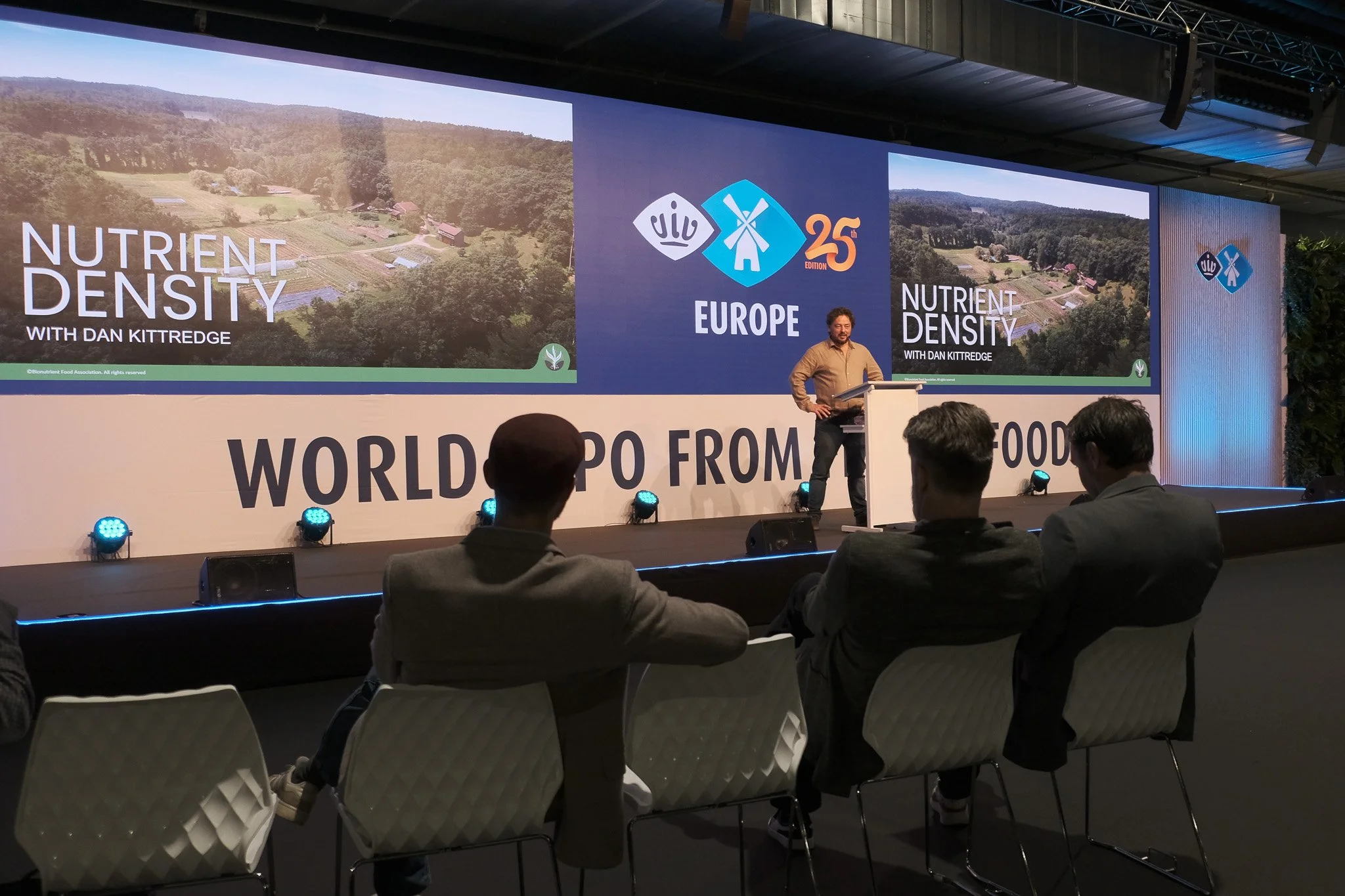
Dan Kittredge, founder of the Bionutrient Institute and Bionutrient Food Association, opened the Cities Leading Food Production programme at VIV Europe 2026 with a compelling seminar on the Beef Case Study. For years, Kittredge has pioneered research into nutrient density — moving beyond simple calorie or macronutrient counts to understand the full spectrum of compounds that make food truly nourishing. His work connects soil health, farm management practices, and the nutritional quality of food, empowering farmers and consumers alike.
In the Beef Case Study, the Bionutrient Institute, in collaboration with researchers including Stephan Van Vliet, analysed how different finishing systems (grass vs. grain) and farm practices influence the nutritional profile of beef. Using advanced testing methods, the study examines variations in vitamins, minerals, fatty acids, and other bioactive compounds. Early findings highlight significant differences linked to management practices, forage quality, and soil health — showing that how cattle are raised directly impacts the health-promoting potential of the meat.
Kittredge emphasised that nutrient density is not just about what farmers do on the land, but how these choices ripple through the entire food system. The study provides farmers with actionable insights to improve soil biology and grazing management, while giving advisors and policymakers evidence to support regenerative practices that deliver both environmental and human health benefits.
For professionals working in short food supply chains, the Beef Case Study underscores the importance of measuring and communicating real nutritional value. It strengthens the case for transparent, farm-to-fork systems where quality and health outcomes are prioritised. The full dashboard and manuscript offer valuable data for those seeking to differentiate products and support farmers transitioning toward more regenerative models.
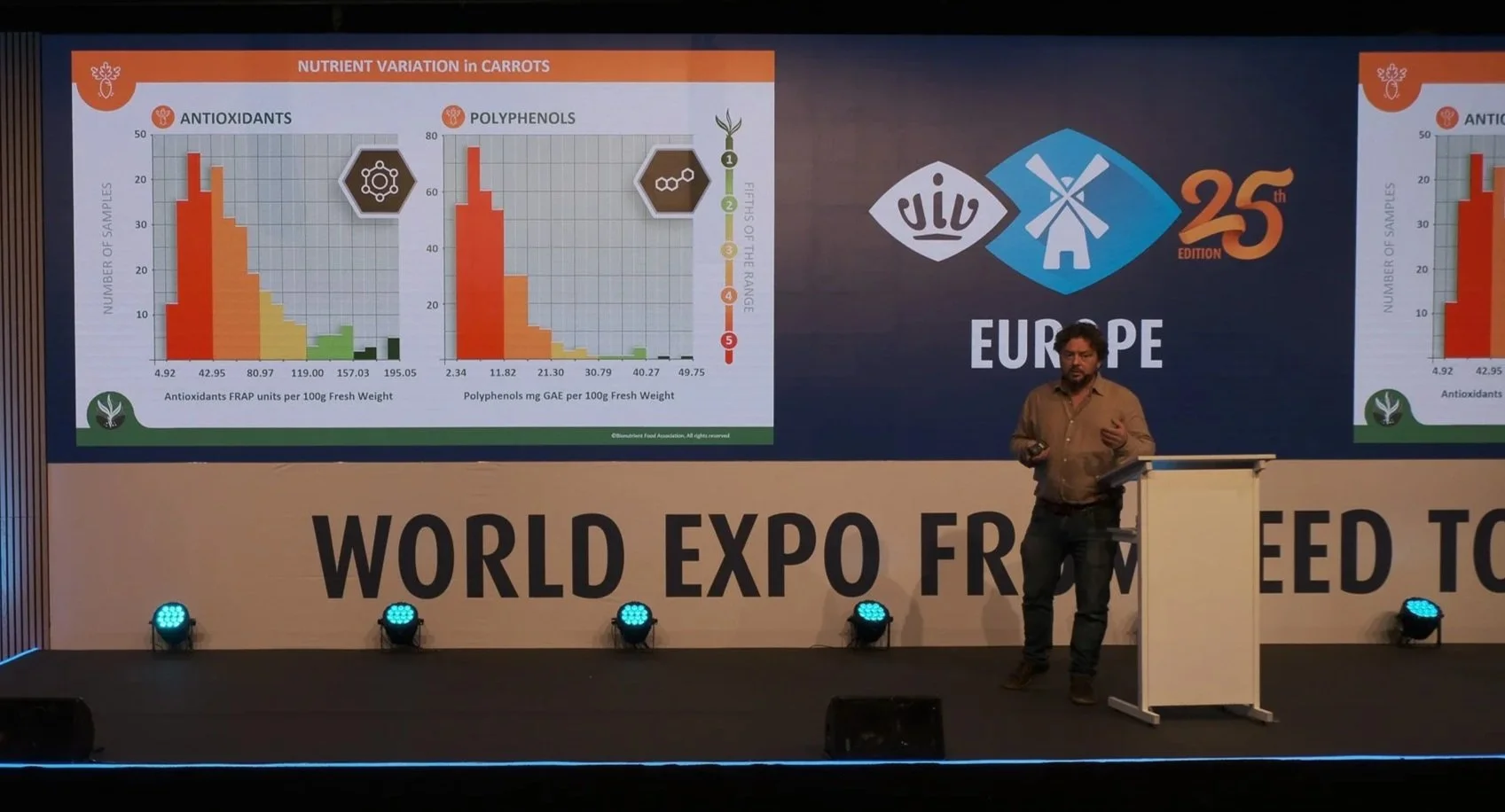
Kittredge’s presentation set a strong tone for the programme: by understanding and enhancing nutrient density, we can build food systems that truly nourish people and regenerate landscapes.
‘Utrecht, what are you doing!’: Youth-Driven Model for Regenerative Regional Food Systems
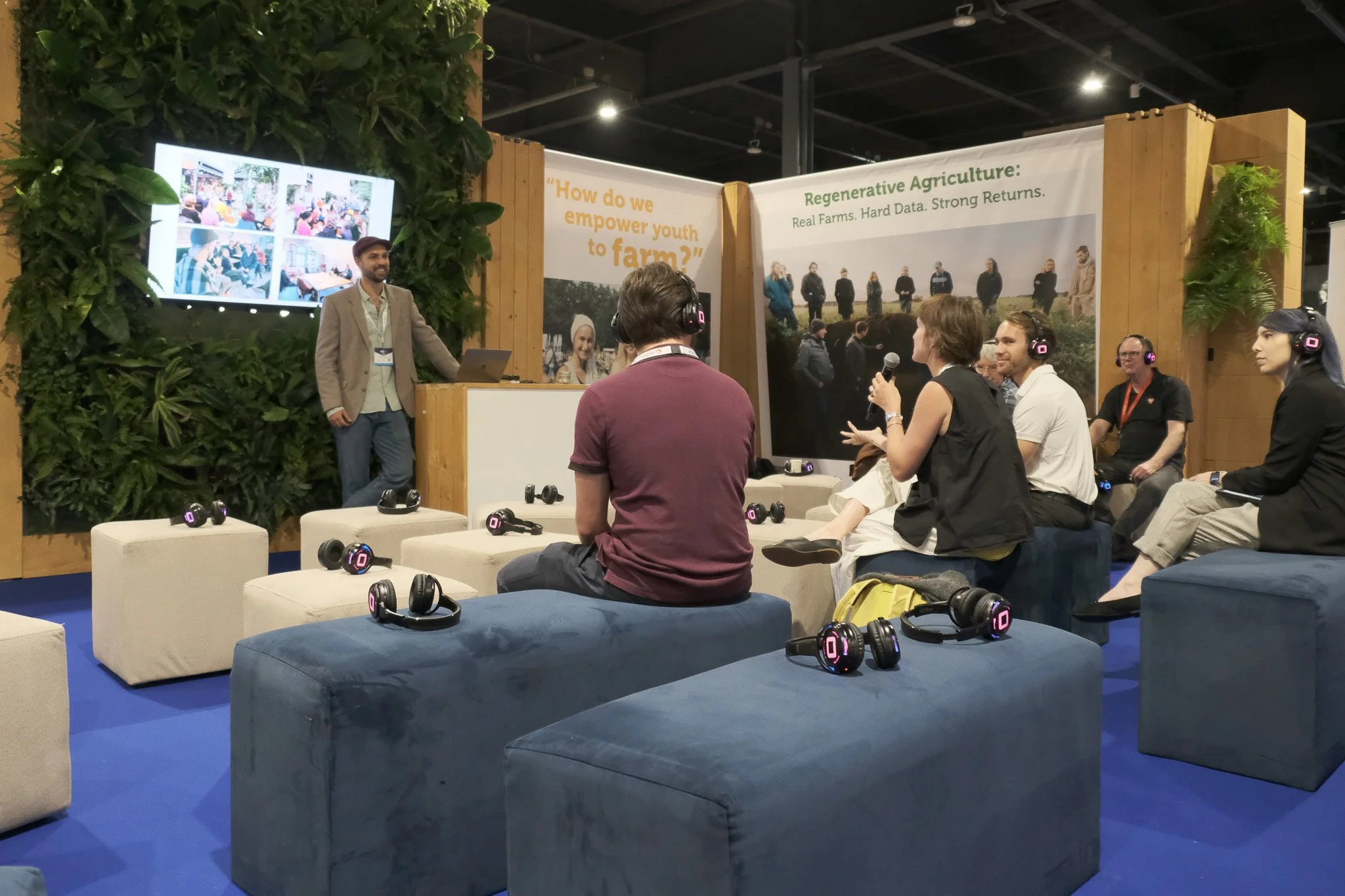
In the heart of the Netherlands, Utrecht is demonstrating a practical, scalable approach to food system transformation that bridges urban demand and rural supply while actively engaging youth.
Maarten Klop of Grounded Community presented Utrecht’s youth-driven model for regional food systems. He shared insights from eight years of hands-on work building a collaborative regional food network. His message was clear: real change happens through physical projects, honest matchmaking, and empowering people already active on the ground.In the heart of the Netherlands, Utrecht is demonstrating a practical, scalable approach to food system transformation that bridges urban demand and rural supply while actively engaging youth. In his workshop, Maarten Klop shared insights from eight years of hands-on work building a collaborative regional food network. His message was clear: real change happens through physical projects, honest matchmaking, and empowering people already active on the ground.
Starting with What Already Exists: The 80/20 Rule of Local Solutions
Klop’s team mapped over 100 local initiatives in the Utrecht region, identifying available land, produce, knowledge, infrastructure, and needs. The result? Approximately 80% of the solutions already reside within the grassroots “soil” of the network. Top-down actors — municipalities, universities, and institutions — provide essential “sunshine and water” (attention, permits, and targeted funding) but are not required to lead every step.
This bottom-up philosophy has produced tangible outcomes without heavy external funding:
The Pit: A student-run community kitchen on Utrecht University campus that processes local surplus produce into affordable meals.
Community-Supported Agriculture (CSA) gardens: One project scaled from 1 hectare to significantly larger operations within a year, inspiring neighbouring farms.
Ecological summer camps: Hands-on experiences connecting urban youth with farmers through work, workshops, and nature immersion.
Food forests, community gardens, and educational programmes: All emerging organically from stakeholder connections.
These initiatives create real flows of people, produce, and knowledge between city and countryside, strengthening both social cohesion and ecological resilience.
Youth Engagement and Inclusive Demand-Side Strategies
Utrecht’s young population provides abundant energy for change. Klop emphasised making participation fun and meaningful through festivals, co-creation hubs at historic fortresses, and practical skill-building. The network deliberately targets social inclusion, particularly in lower-income neighbourhoods like Kanaleneiland and Lunetten.
Participant Ineke Malsch highlighted community outreach efforts: informal conversations, recipe books linking residents to organic access points, and assessments of sustainability in ethnic supermarkets. The goal is to treat healthy, sustainable food as a human right — building demand that reduces risk for producers and stimulates nutritionally dense production.
Similar student-led momentum is visible at Wageningen University, where protests evolved into a dedicated kitchen for affordable, vegan, vegetarian, and gluten-free meals. These examples show how grassroots activism can reshape institutional food environments even in strongholds of industrial agriculture.
Tools for Scaling: Metaphors, Platforms, and Networks
Klop introduced two powerful frameworks, developed by Common Source:
Nature-inspired model: Grassroots as mycelial “soil,” collaborative projects as growing “plants,” and institutional support as enabling resources. This guides honest mapping of offers and needs, followed by co-creation.
Minecraft-inspired gamification: Instead of competitive “single-player” economics, the network operates like an open-world game — players (stakeholders) merge inventories and skills for shared regional wins. A digital food governance platform supports onboarding, profiling, and matchmaking, making the process replicable.
This approach has already inspired adaptations in Berlin, Spain, and New York. Rather than building new institutions, the model favours challenge-based, project-specific collaboration that respects local identities while enabling cross-regional learning.
Leadership as Orchestration
A key success factor is Klop’s leadership style: part cheerleader, part orchestrator. He stresses giving direction and a shared horizon while creating space for autonomous action. “Don’t wait for us to make the full plan,” he told participants. Many projects emerged simply because people received contact information, saw opportunities, and moved forward together.
Intergenerational exchange, particularly through groups like the Vital Food Community, enriches the network by blending deep knowledge with youthful innovation — especially valuable for soil health and nutrient density topics.
His message was clear: young people bring energy, creativity, and fresh ideas. With proper support — hands-on experience, mentorship, and physical spaces like living labs — they can bridge urban and rural worlds and accelerate change. The interactive Youth Engagement roundtable reinforced this, with participants calling for clear career paths, practical training, and collaboration between generations.
EARA: The Business Case of Regenerative Agriculture
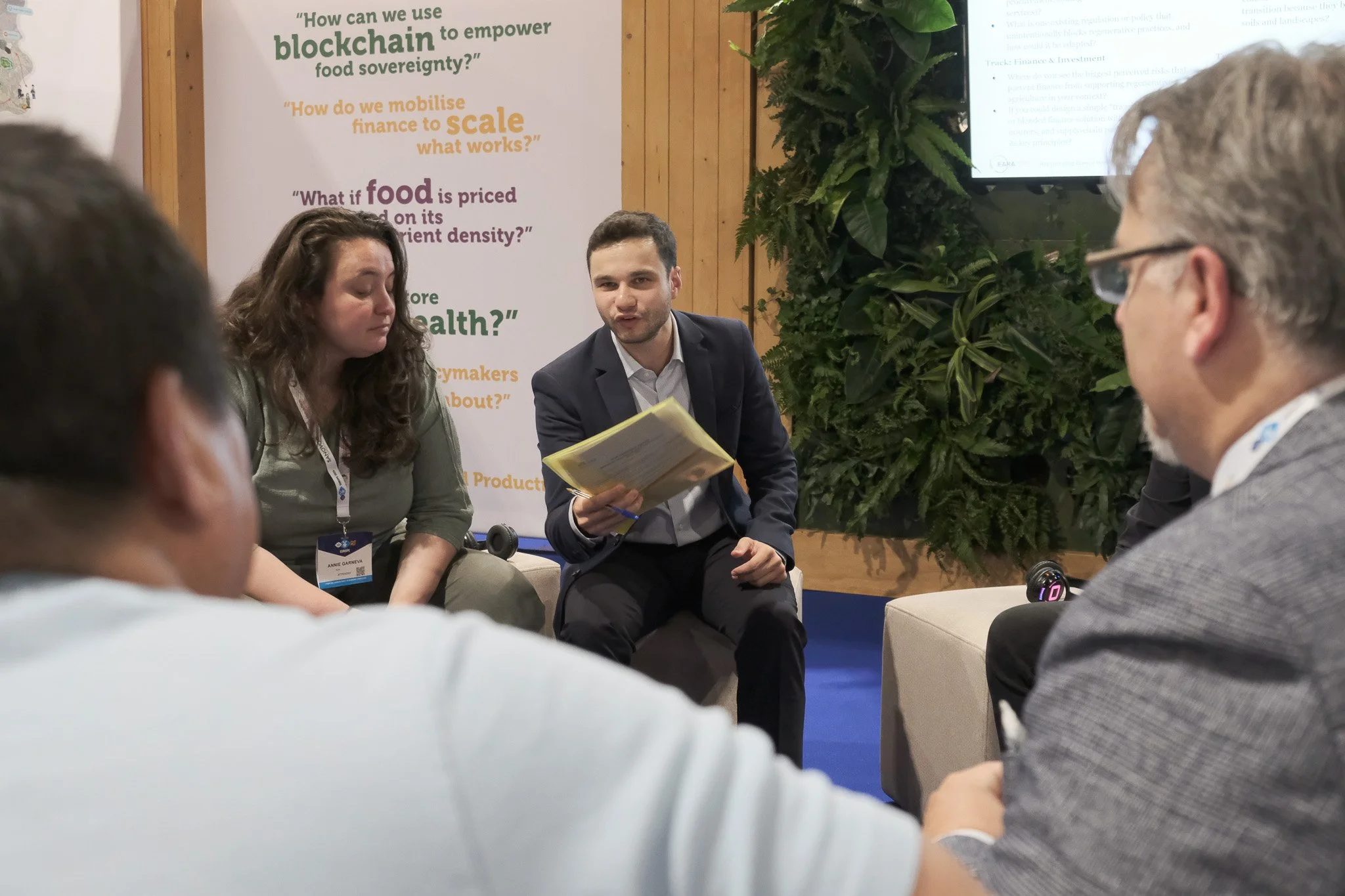
Regenerative agriculture is gaining momentum as a pragmatic, systems-level solution for agribusinesses and food supply chains facing climate, economic, and resilience challenges. Lucas Chauvin of the European Alliance for Regenerative Agriculture(EARA) provided a clear overview of the movement’s progress, evidence base, and collaborative approach.
Founded three years ago by a diverse group of pioneering farmers practising biodynamics, agroforestry, holistic management, conservation agriculture, and organic methods, EARA unites these approaches under a shared vision: transforming European agri-food systems through farmer-led, locally adapted practices.
A Flexible, Outcome-Based Definition
EARA defines regenerative agriculture as an adaptive, outcome-based farming approach that applies scientifically grounded methods with measurable positive impacts on the environment, farming communities, livelihoods, and public health. It emphasises resilience in yields, competitiveness, efficiency, and social benefits.
Importantly, the definition is deliberately broad and context-specific rather than prescriptive. This flexibility allows it to work across different landscapes, soil types, and business models while maintaining rigorous standards.
Evidence from the Field: The Business Case
Chauvin presented compelling real-world examples demonstrating that regenerative practices can deliver both environmental and economic wins:
A Swiss farmer reduced fuel use by 50% while increasing production. Synthetic inputs dropped significantly, with cost savings offsetting initial yield dips during transition;
Finnish comparisons showed strong reductions in fuel, pesticides, and other inputs, improving profitability alongside soil and water quality;
Broader studies highlighted 25% better soil water retention, enhanced carbon sequestration, and over 60% improvement in supply chain resilience (e.g., in German projects);
Regenerating Full Productivity (RFP) is a pioneering, farmer-led metrics system designed by EARA to measure agricultural performance beyond just yield. It evaluates ecological and economic outcomes—such as soil health, biodiversity, and input reduction—showing that regenerative farms can deliver 33% higher RFP than conventional systems.
These outcomes align with EARA’s benchmarking research, which quantifies benefits across soil health, biodiversity, water management, and risk reduction. For supply chain actors, insurers, and banks, regenerative systems offer lower climate and disruption risks — as evidenced by analysis of flood events in Valencia.
Strategic Workstreams: Research, Policy, Education & De-Risking
EARA operates on multiple fronts:
Research & Benchmarking: Farmer-involved empirical studies to build robust evidence.
Policy Engagement: Active at EU and UK levels, including contributions to the European Economic and Social Committee and alignment with the Green Deal, climate, and biodiversity targets.
Education: Targeted programmes for farmers and advisors to accelerate knowledge transfer and transition readiness.
Finance & Insurance: Developing blended finance products and insurance tools to reduce transition risks and boost farmer confidence.
The organisation’s structure keeps farmers at the centre — they participate in every working group, ensuring policies and tools remain practical and grounded.
Collaborative Workshop: From Ideas to Action
Rather than a one-way lecture, the session shifted into an interactive roundtable format. Participants from farms, cities, finance, retail, NGOs, and government explored what regenerative agriculture means in their specific contexts. Small group discussions focused on generating 1–2 concrete ideas or opportunities per group, fostering cross-sector dialogue and practical next steps.
This approach reflects EARA’s philosophy: systemic change requires inclusive collaboration and shared ownership.
Key Takeaways for Agribusiness and Food Transition Professionals
Economic Viability First: Reduced input costs (fuel, pesticides, fertilisers) can deliver quick wins and improve long-term profitability, even during transition.
Resilience Premium: Enhanced water retention, carbon capture, and supply chain stability provide measurable value for risk management and ESG performance.
De-Risk the Transition: Policy alignment, targeted finance, and insurance are critical enablers. Businesses and financiers have a clear role in scaling solutions.
Farmer-Led & Context-Specific: Success depends on adapting practices to local conditions rather than rigid templates.
Cross-Sector Collaboration: Cities, retailers, banks, and NGOs all benefit from — and can support — regenerative sourcing and landscape-level approaches.
EARA’s work demonstrates that regenerative agriculture is not a niche or ideological movement but a pragmatic, evidence-based strategy for resilient food systems. For professionals in agribusiness and food transition, the invitation is clear: engage with farmer networks, explore benchmarking data, and identify opportunities to de-risk and incentivise adoption within your supply chains or investment portfolios.
Those interested in EARA’s research, policy papers, or collaboration opportunities are encouraged to connect via the alliance’s channels. The transition is already underway — and the data shows it can be both ecologically restorative and economically sound.
From Journalist to Farmer: Restoring a Living Landscape with Graangeluk

Marcel van Silfhout of Graangeluk (Grain Happiness) shared his personal journey from investigative journalist to farmer. Starting in 2017 on the Veluwe Zoom, he revived ancient grains (Veluwe Creeping Rye and others), introduced innovative cattle grazing, and built local value chains for bread and beer. From 43 to 120 hectares, with two acquired bakeries, his project proves that circular systems can restore biodiversity, improve soil health, and create viable businesses while addressing nitrogen challenges. “The landscape itself is the main product,” Marcel said. “Bread and beer are beautiful by-products.”
“Eight years ago I stopped being an investigative journalist and started farming because I saw the system crashing. The craft was dying. Too much artificial fertilizer, too many pesticides, fields turned into silage deserts. I wanted to do something real — bring back circular agriculture, connect farms to nature again, and grow proper food from our own land.”
“That’s how Graangeluk began. We started in 2017 on the Veluwe Zoom, one of the most important natural areas in the Netherlands, full of nitrogen problems. We’re not fencing nature off. We’re farming with nature.”
“We brought back ancient grains that grew here for 7,000 years — Veluwe Creeping Rye, oats, black emmer, einkorn. Nobody believed it would work well on our sandy soils. The first year from 23 kilos of seed we harvested 200 kilos. Next year? 2.500 kilos. Now we make bread and beer that wins gold medals at the Brussels Beer Challenge. Real flavour. Healthy. No nonsense.”
“We keep cattle differently too. Calves stay together from birth, form a real herd, graze nature for two years before meat production. They also support milk production. It’s pioneering here, but it fits the land.”

“We use sheep and horse manure — proper organic fertilizer — to wake up the soil. Within two years you see the difference. Biodiversity explodes: cornflowers, poppies, bumblebees everywhere. Soil life comes back. Nitrogen balance improves. We’re not fighting nature; we’re working with it.”
“Last season we grew to 120 hectares across multiple regions. We didn’t just grow grain — we took over two bakeries. Now we control the chain: our land, our seed, our bakery. Bread and beer from our own fields, sold locally. That’s a really short supply chain. That’s circular.”
“Right now we’re submitting a big application with a consortium of farmers and partners to scale this up properly in Gelderland. We want to make the entire Veluwe Zoom a vibrant grain region again — herb-rich fields, healthy soils, proper food for our own people. Not dependent on imports for 80% of our food. That’s madness.”
“Look, the landscape itself is the main product. Bread and beer are beautiful by-products. A living, vital rural cultural landscape with farmers who know their craft again. Less artificial inputs, more craftsmanship. Nature-inclusive? Better: farming inclusive of nature.”
“I’ve seen the difference in two years. From maize desert to flowering paradise. From 43 to 120 hectares. We raised nearly 15,000 euros quickly through community support because people feel it. They want this.”
“To all farmers, agribusiness people, and food transition colleagues: this is possible. We’re not waiting for the perfect policy. We’re doing it. Connecting initiatives, restoring circularity on a regional scale, and proving that healthy food from living landscapes can work economically.”
“Come and see it. Visit www.graangeluk.nl. Buy grain shares. Support the expansion. Help us show that farmers can be proud again — proud of vital fields, good products, and a landscape that’s alive.”
“This is not nostalgia. This is the future. A future where agriculture and nature strengthen each other. Where we solve nitrogen problems instead of fighting over them. Where we grow real food again.”
“Cheers to that. To Graangeluk and to all of you working on the same path. Let’s build more of these living landscapes together.”
Quantum Biology Worldview: A New Frontier for Vital Food Systems and Resilient Agriculture
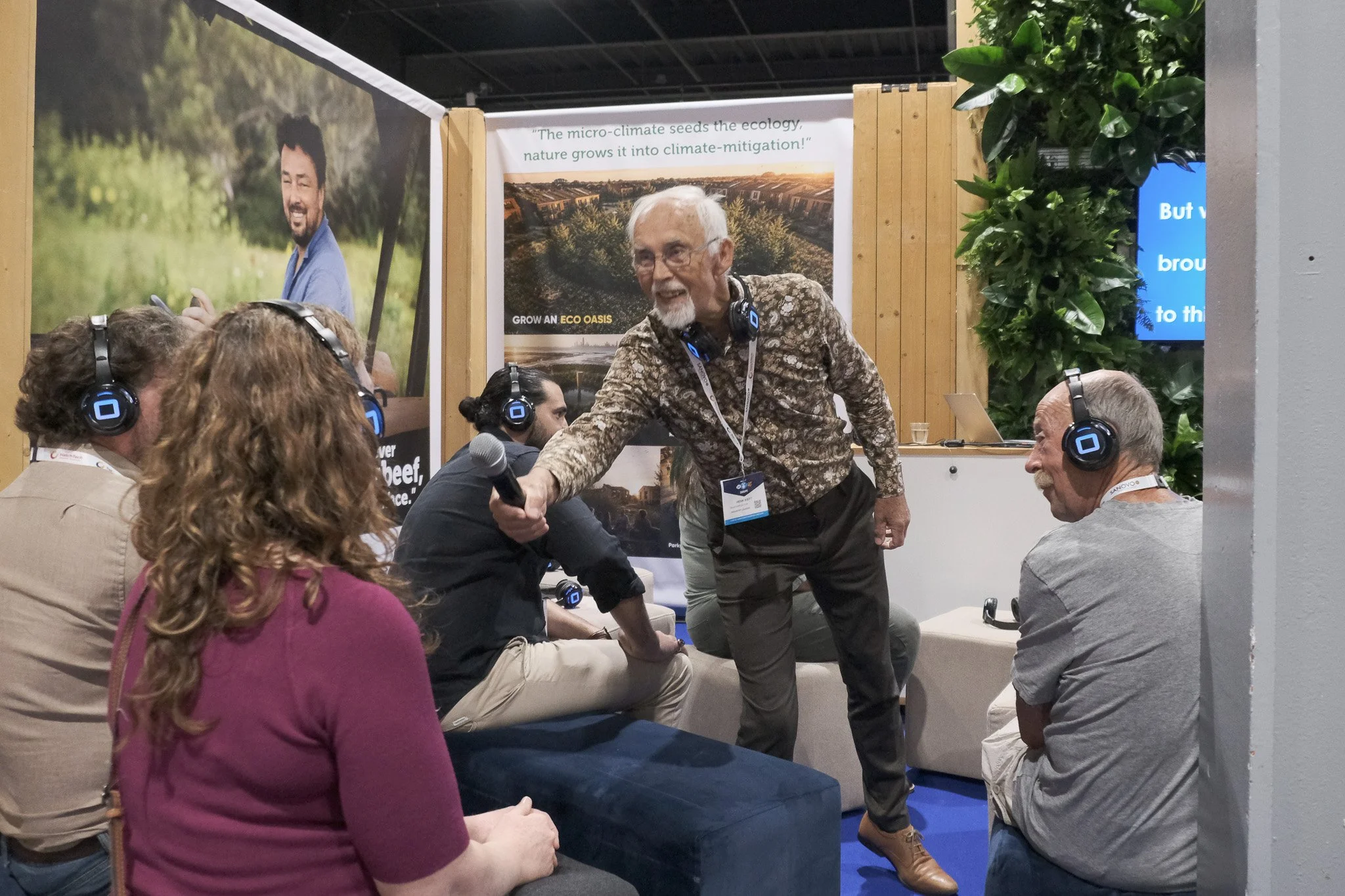
In a thought-provoking workshop at the expo, agronomist and researcher Henk Kieft of Gaia Campus and Community Vital Food took participants into the emerging field of quantum biology. He invited agribusiness professionals to reconsider the foundations of farming. Drawing on quantum biology, Kieft argued that classical Newtonian approaches — focused on mass, chemicals, and biochemistry — are insufficient. Life processes operate at the quantum border, where coherence, information, and consciousness play decisive roles in soil, plant, animal, and food vitality.
This perspective offers practical tools and a paradigm shift for food transition leaders seeking higher resilience, resource efficiency, and true nutritional quality.
The Quantum View of Life and Farming
Quantum biology explores how living systems harness quantum effects such as coherence, entanglement, and wave-particle duality. According to Kieft, life maintains order by actively sustaining quantum coherence against thermodynamic chaos. This has direct implications for agriculture:
Information steers energy and mass. Rather than viewing reality as particles and forces alone, Kieft proposes four interconnected “windows”: Consciousness (intention, mindset), Information (patterns, rhythms), Energy (frequencies, electromagnetic fields), and Mass (traditional inputs like nutrients and microbes).
Farmers’ mindset and emotional state are not peripheral — they generate electromagnetic fields that interact with plants and animals, influencing health and productivity.
Kieft referenced pioneering works such as Life on the Edge by Jim Al-Khalili and Johnjoe McFadden, which demonstrate quantum principles in photosynthesis, cellular processes, and navigation.
Frequency-Based Technologies Delivering Results
Specific frequencies can dramatically improve outcomes with minimal material inputs:
Music and sound: Broadcasting harmonious music before foliar spraying opens plant stomata, improving nutrient uptake and potentially reducing fertilizer use by up to 50%.
Aqua 4D water vitalization: Uses targeted frequencies (derived from elemental resonances like carbon, hydrogen, and oxygen) to restructure water. This enhances soil infiltration, reduces pipe scaling, and improves nutrient delivery.
Genodix protein frequency treatments: Based on the natural frequencies emitted during protein synthesis. French vineyards reported better grape aroma and sugar content; a Dutch seed potato grower achieved a 90% reduction in disease pressure.
These examples illustrate resonance: harmonious frequencies reinforce life processes, while disharmonious ones (e.g., certain industrial frequencies) can disrupt them. Kieft noted strong alignment between independent frequency studies and natural harmonic ratios, suggesting 432 Hz tuning as more life-supportive than the standard 440 Hz.
Redefining Vital Food: Coherence Over Nutrient Density
A highlight of the session was a refined definition of vital food, developed in dialogue with Dan Kittredge (Bionutrient Institute):
Vital food is internally coherent, geometrically structured, maintains its order, and is sensitive to intention. It can be assessed through biophotonics — measuring how long food retains and emits light energy after stimulation.
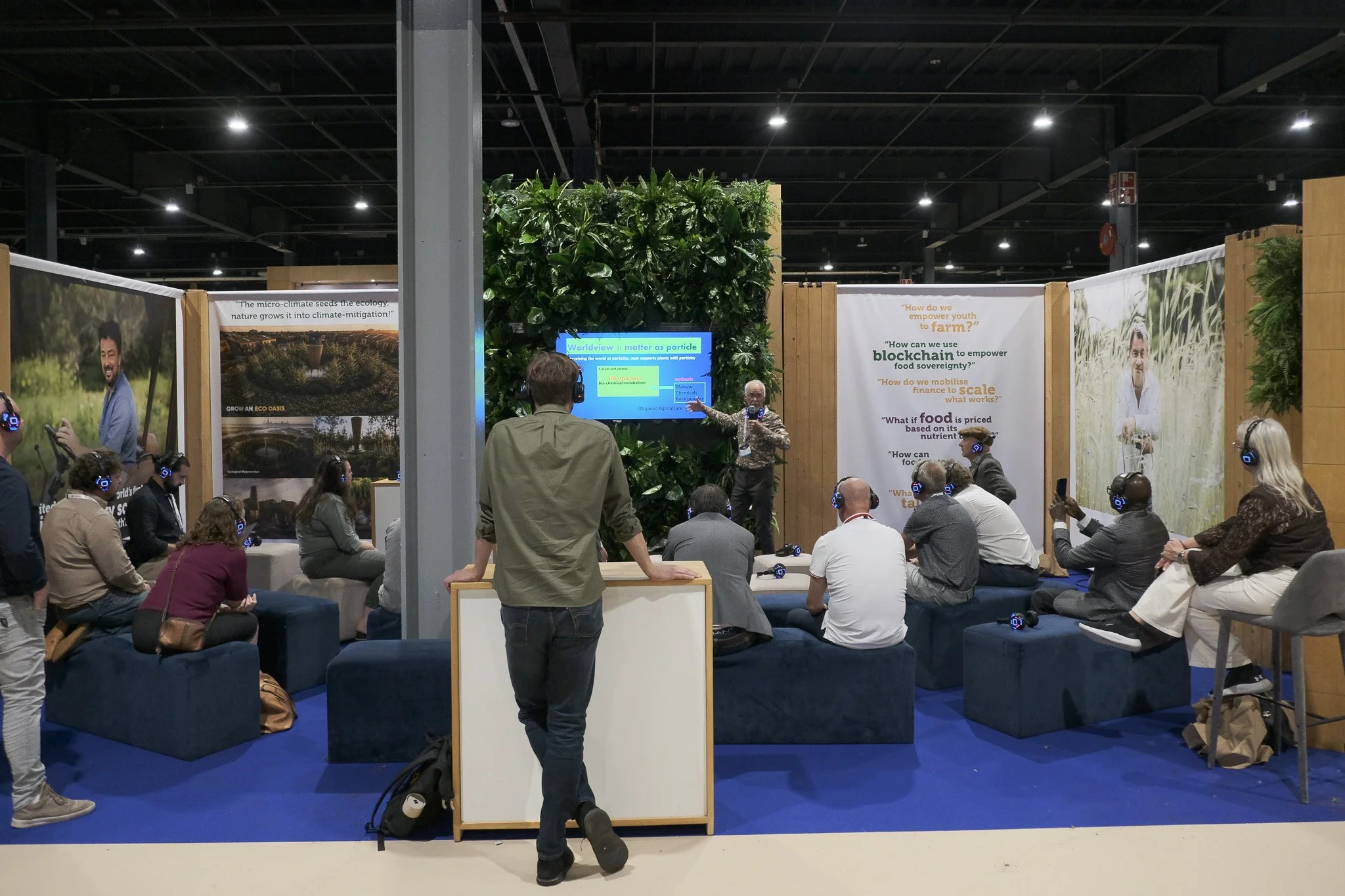
Unlike conventional nutrient density metrics, vitality reflects the food’s capacity to hold and transfer life-supporting information and energy. Genetically modified foods often show rapid loss of biophotonic energy, indicating diminished internal order. In contrast, food from high-vitality systems (organic, consciously managed) maintains coherence through the entire cycle — soil → plant → animal → consumer → waste → soil.
Dowsing and energy assessments presented by Kieft showed organic farms consistently scoring higher across soil, plants, milk, and manure, demonstrating that vitality travels through the food system.
The Role of Farmer Consciousness
Kieft emphasised that the observer effect applies on the farm: a farmer’s calm, grateful, or focused intention influences outcomes. Examples included an ostrich farmer whose daily “tuning in” reduced animal stress and disease, and practices of gratitude toward crops and livestock that reportedly improve immunity and yields.
This aligns with emerging insights from neurology and meta-coaching: attention, intention, and emotion shape behaviour and biological responses in both humans and farm systems. Bidirectional influence exists — healthy farms also support farmer well-being.
Practical Takeaways for Agribusiness and Food Transition
Integrate multiple windows: Combine classical inputs with frequency technologies, coherent water management, and conscious farm practices for synergistic gains.
Measure vitality: Explore biophotonics, chromatography, or energy sensing alongside nutrient analysis to differentiate truly vital products in premium markets.
Reduce inputs intelligently: Frequency tools and mindset practices can lower fertilizer, veterinary, and disease-control costs while enhancing resilience.
Build regional vitality cycles: Prioritise short, closed loops that preserve coherence from soil to consumer.
Invest in consciousness and learning: Training in intention, gratitude, and energetic awareness may yield unexpected returns in productivity and team performance.
Kieft’s work, including his book on quantum agriculture (available via the Vital Food community), challenges the sector to expand research and education beyond materialist paradigms. While some technologies face funding and validation hurdles, real-world results from Europe, Africa, and elsewhere warrant serious consideration.
As food systems face climate, health, and economic pressures, quantum biology offers a deeper operating system — one where information and coherence guide sustainable abundance. Professionals interested in vital food, regenerative models, and next-generation tools are encouraged to engage with the Vital Food community and explore these principles on their own operations.
The transition starts with changing consciousness — and the farm is an excellent place to begin.
Youth Engagement in Agriculture
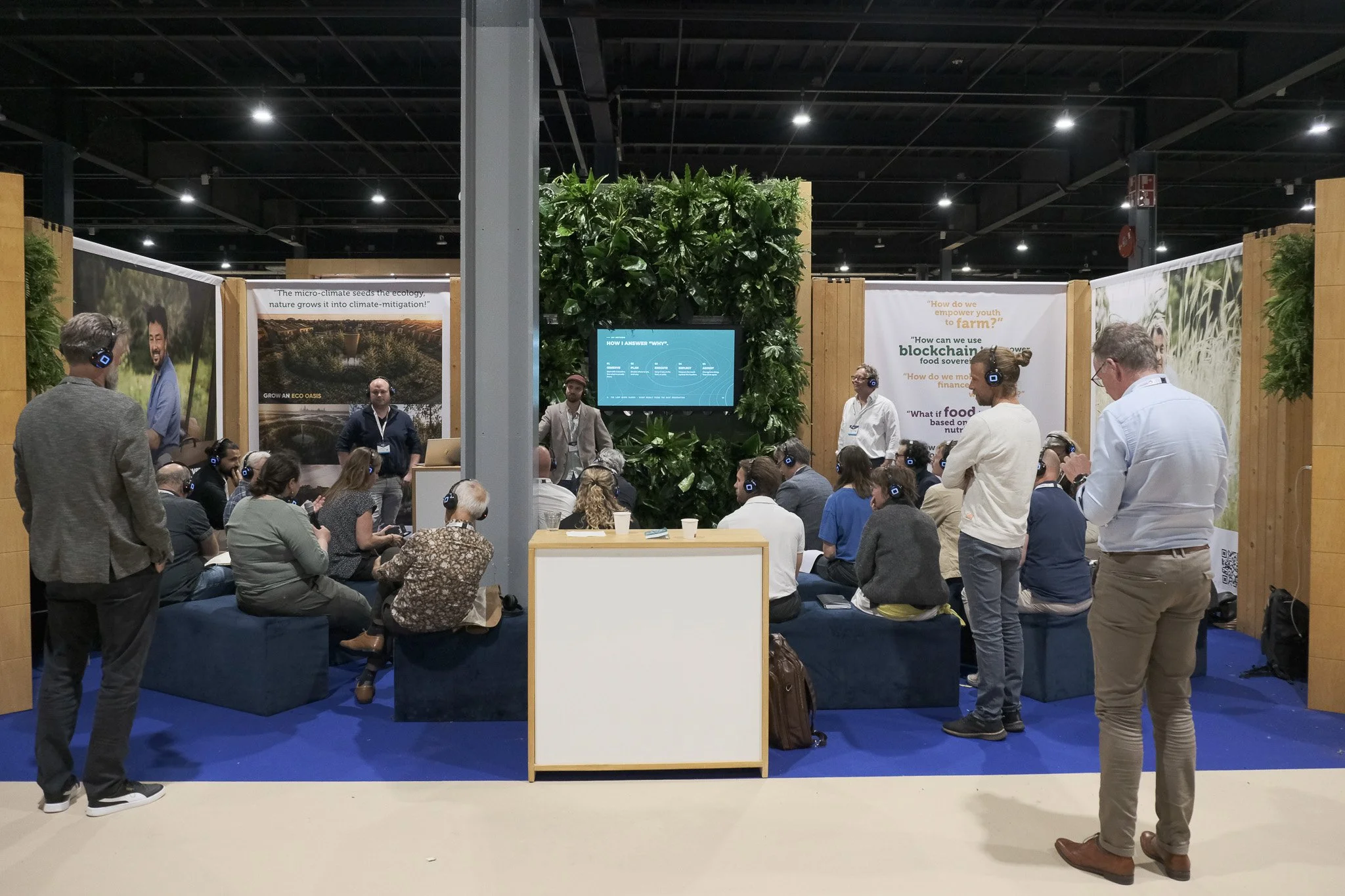
Mark Frederiks of Common Source and Maarten Klop of Grounded Community led a lively two-hour roundtable on Youth Engagement in Agriculture. The room was full of energy, real stories, and people who actually want to make things better. No boring theory — just honest conversation about how young people can get properly involved in building the food systems of the future.
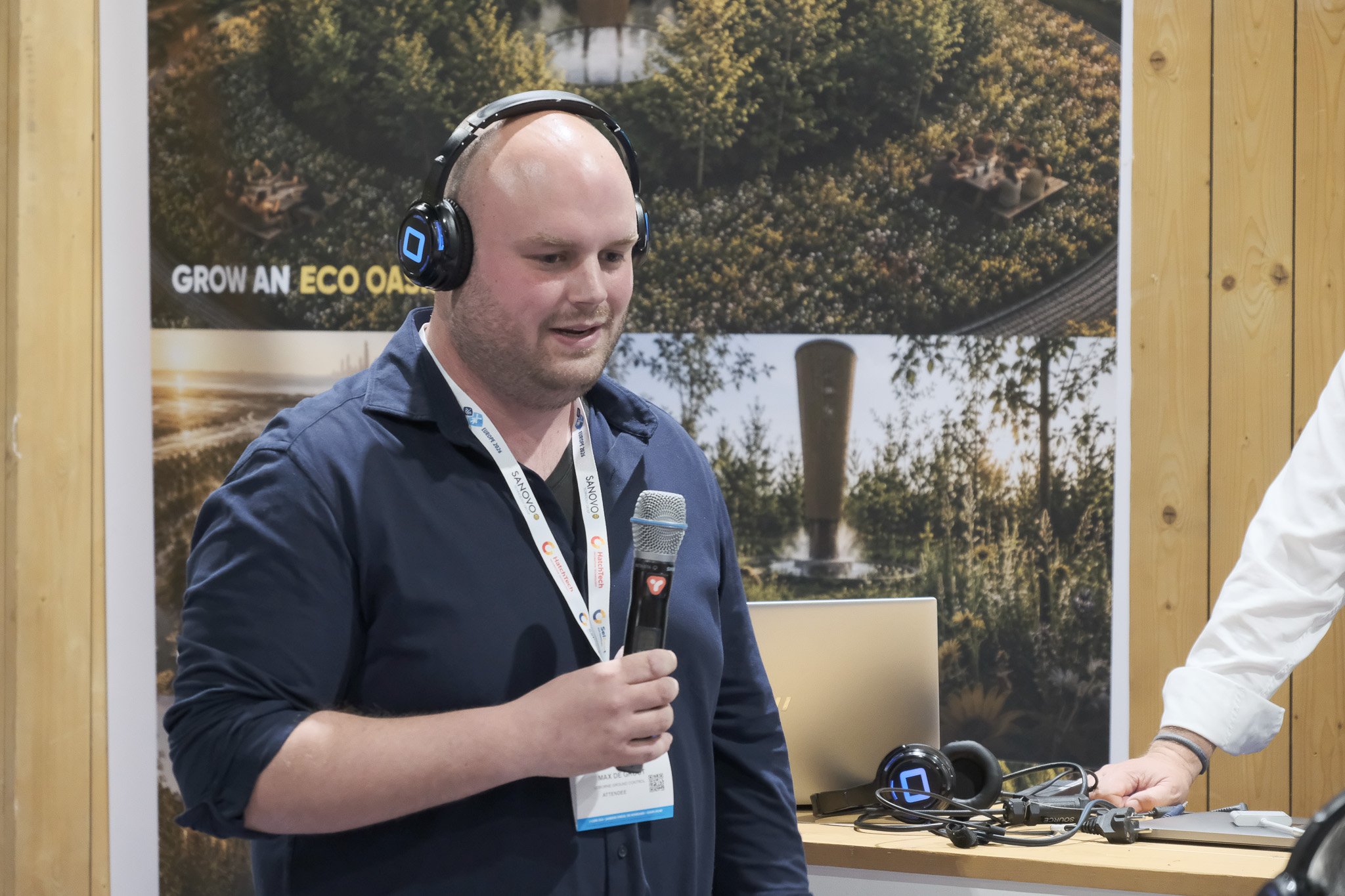
Max de Groot shared his amazing journey. He started at 13 on a cattle farm, switched to driving tractors, and now works at VDBORNE Campus, a high-tech farm that’s been using sensors and data for 12 years running. That hybrid skill set — knowing both the land and the tech — is gold.
The group agreed on a few big needs:
Real hands-on experience — internships, farm days, tractor time, not just classroom stuff.
Clear career paths — structured programmes that actually lead somewhere.
Mentorship and freedom — older generations guiding but giving young people space to experiment.
Physical spaces — living labs and community hubs (like the fortress used by Grounded and the Van den Borne Campus) where you can try things out.
The conversation moved to scaling. Instead of competing, we need collaboration — ‘human mycelium’ connecting local projects into something global. Living labs were mentioned a lot: places where farmers, students, tech people, and cities work together on real solutions.
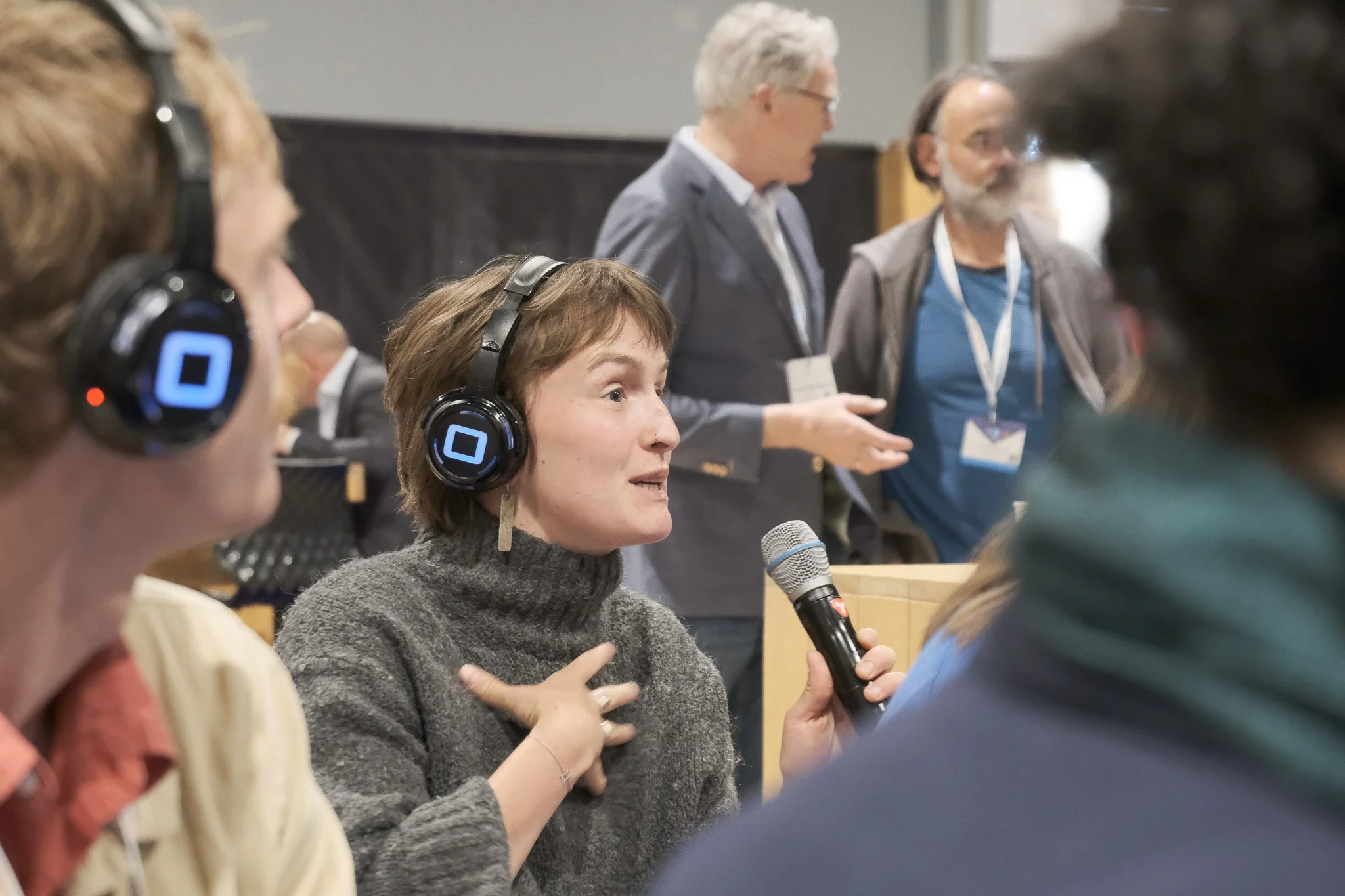
Offers came from all sides:
Industry folks said they’re looking to hire youth with grassroots experience.
Tech people talked about blockchain for transparent, fair supply chains.
Experimental farms opened doors for internships.
NGOs and networks offered to team up on funding applications.
One strong point: we need to change the image of farming. It’s not just “old-school hard labour.” It can be creative, technical, social, and deeply meaningful — growing food, restoring nature, building community, and using cool tools.
The roundtable ended with a hopeful but realistic call. Youth have energy and fresh ideas. What’s missing is proper support — funding, spaces, training, and people who take them seriously.
If you’re a student or young person: get involved in local initiatives, summer camps, or living labs. Reach out to networks like Grounded or Common Source. Start small, learn by doing.
If you’re a farmer, professional, or NGO: open your doors. Offer mentorship, internships, or collaboration. Help turn passion into real livelihoods.
The food system is changing fast. Young people aren’t waiting around — they’re already organising, experimenting, and connecting. The question is: are we ready to support them properly so they can build the resilient, regenerative systems we all need?
Common Threads and Next Steps
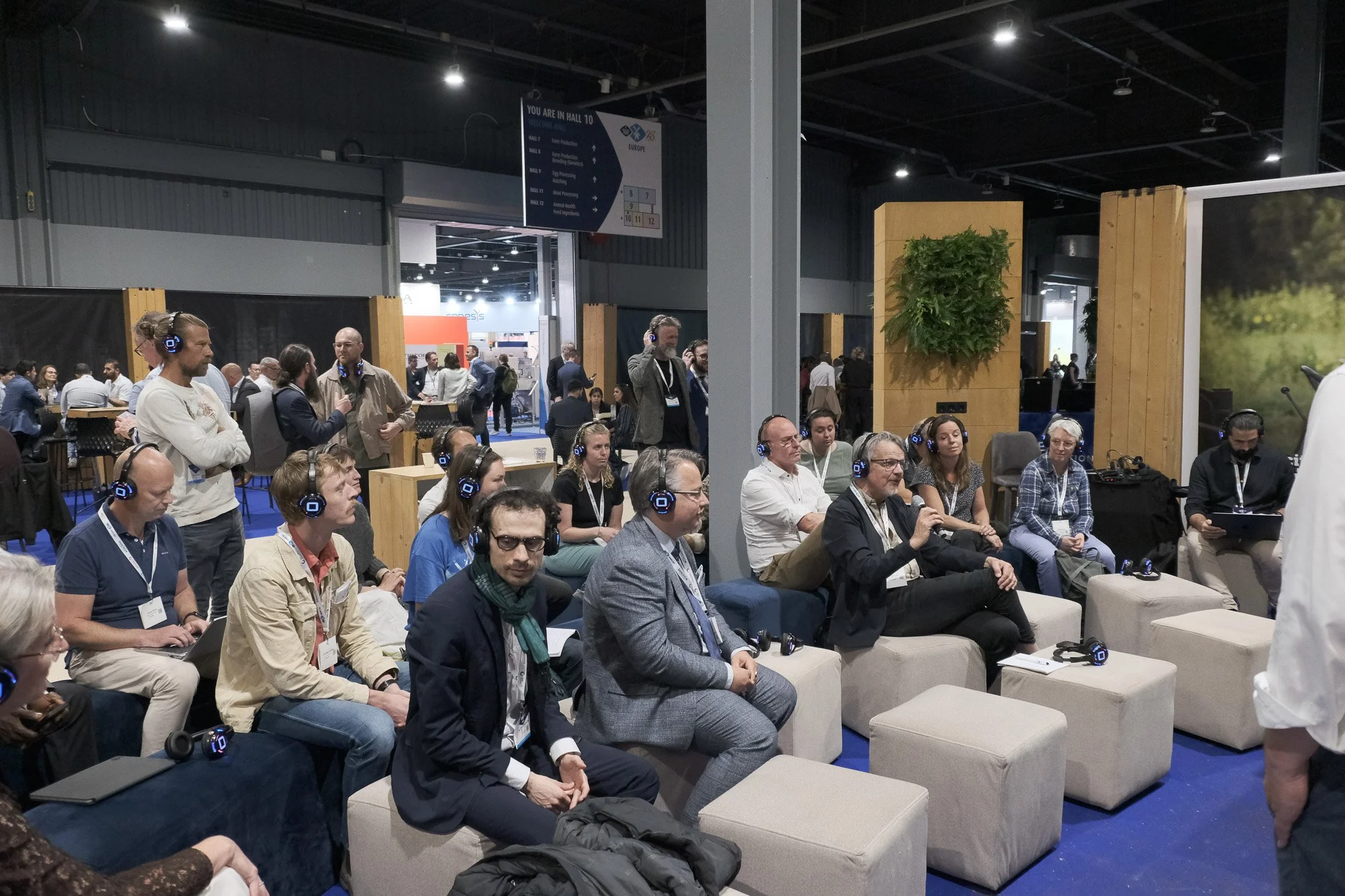
Day 1 showed that robust regional food systems emerge when we:
Start with what already exists on the ground
Empower youth and farmers
Measure and reward real outcomes (nutrient density, soil health, resilience)
Use technology and science thoughtfully while keeping human connections central
The energy in the room was palpable. Participants left with concrete ideas, new contacts, and renewed motivation.
Cities Leading Food Production continued on Day 2 and 3 with sessions on water, blockchain, city design, and global perspectives from Africa and the MENA region. Citizens, farmers, collectives, municipalities, NGOs, advisors, experts, industry leaders and policymakers joined the conversation and contributed to shaping living, resilient food regions together.
